
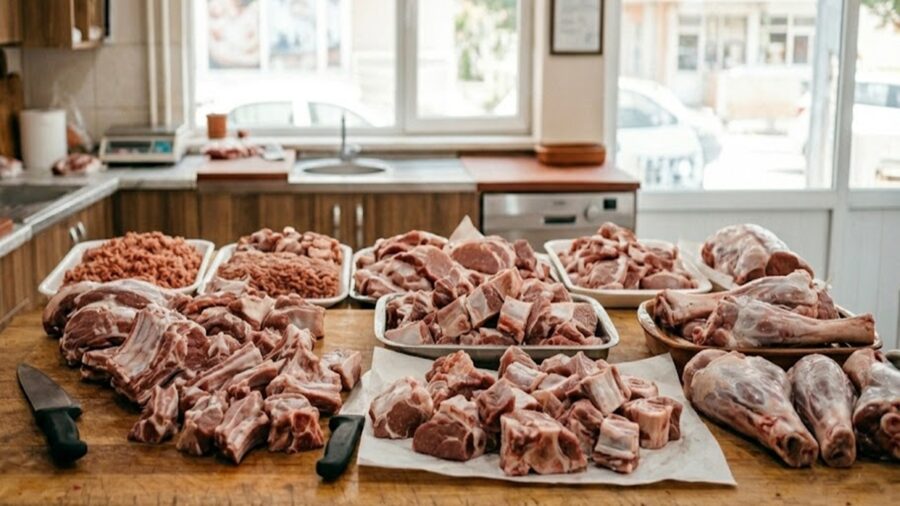
Eid al-Adha is a very special time when we come together with our loved ones, tables are blessed and cooperation reaches its peak. However, during this period, our nutritional routine becomes almost entirely focused on red meat. Traditional treats and increased portions may bring some health risks, especially for individuals with stomach, intestinal and cardiovascular diseases. It is possible to spend the holiday both peacefully and healthily by paying attention to a series of scientific rules from the time the meat is cut until it reaches our plate.
Rigor Mortis and the Importance of Resting The most common habit on Eid mornings is to roast the meat immediately after the sacrifice and consume it for breakfast. However, the muscles of the newly slaughtered animal are in a stage called “rigor mortis”. Meat cooked at this stage is both hard and extremely difficult to digest. To prevent stomach bloating, indigestion and cramps, meat should be left to rest in a cool, protected from sunlight environment (and then in the refrigerator) for at least 12 to 24 hours after being cut.
Rested meat softens with its own enzymes, becomes delicious and does not tire the digestive system. Correct Cooking Methods The healthiness of meat is not only related to its quality, but also to how we cook it. Boiling, baking or grilling should be preferred instead of high-fat methods such as roasting and frying. The healthiest method is to cook the meat in its own fat over low heat, without adding tail fat or butter.
If barbecuing, the distance of the meat to the fire should be at least 15 centimeters. Carcinogenic substances (HPA and PAH) are formed in charred meat and important vitamins such as B12 in the meat are lost. Balanced Plate Model and Portion Control Red meat; Although it is rich in iron, zinc, magnesium and quality protein, it does not contain vitamins C and E. To eliminate this deficiency and increase the iron absorption of meat in the body, we should definitely add a salad with plenty of greens and lemon to our plate.
Fiber consumption also prevents constipation problems that meat may cause. We should not overdo it in daily meat consumption, and we should keep the consumption of offal (liver, kidney, spleen) to a minimum, especially for individuals with cholesterol sensitivity. Meat Storage and Hygiene Rules Distribution and storage of sacrificed meat is also a critical process for public health. Meat should not be cut into large pieces, but should be divided into bite-size pieces (minced meat or cubes) into refrigerator bags.
It can be stored in the refrigerator (4°C) for a maximum of 3-4 days, and in the deep freezer (-18°C) for 4 to 6 months. The most important rule is the thawing process. Frozen meat should be thawed on the bottom shelf of the refrigerator, not at room temperature. Thawed meat should never be refrozen due to the risk of bacterial growth. In conclusion; Resting and cooking the sacrificed meat with the right methods, sticking to portion control and balancing our plate with vegetables will enable us to spend this beautiful holiday fit and healthy, away from hospital corridors.






Comments
You can write your views about this story. Comments may be moderated according to site settings.