
Hello,
Let’s start our article with a statistic:
The latest global analysis reveals that 25 fires occur in every 100,000 vehicles (BEVs) powered by batteries on an annual basis. That means the fire rate is 0.025%. On the other hand, on an annual basis, fire occurs in 1,500 of every 100,000 vehicles using gasoline or diesel fuel. Fire rate is 1.5%. In short, we encounter a much lower rate of fire in BEV type vehicles.
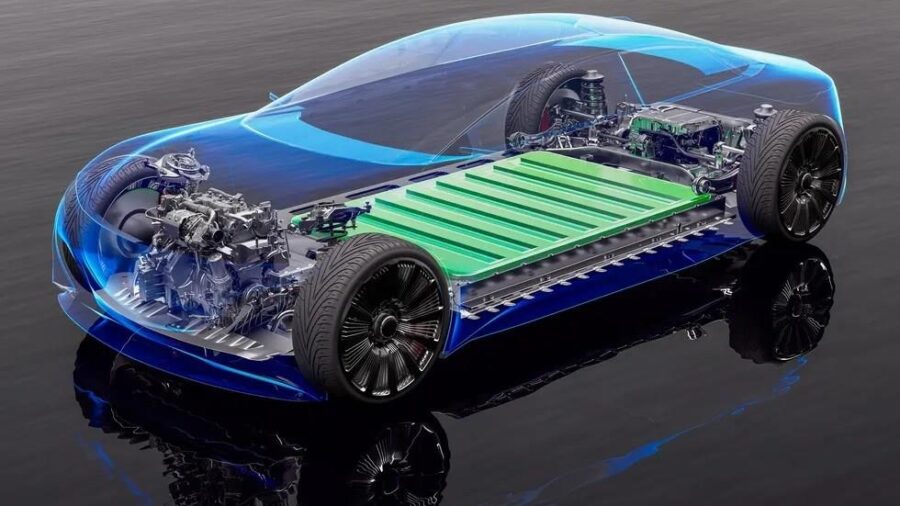
Although BEV type vehicles have a much lower fire risk, they increasingly carry millions of passengers every day. Thermal management of these vehicles has the critical task of ensuring the highest safety standards. Due to “thermal runaway” and related fire risks that may occur in batteries, effective thermal management solutions that will enable problems to be detected quickly and controlled in a limited area are mandatory.
Batteries, electric motors and power electronics systems are among the main components that need thermal management. Especially battery thermal management has become one of the most discussed topics in the industry. IDTechEx’s report titled “Thermal Management for Electric Vehicles 2026–2036: Materials, Markets, and Technologies” examines battery thermal management systems under the following four main headings:
1. Thermal Interface Materials (TIM)
2. Fire protection materials
3. Thermal management strategies
4. Heat pumps and system architectures
According to IDTechEx, pads, gels and silicone-based solutions are at the forefront among thermal interface materials. On the fire protection side, ceramics, mica, aerogels and foam materials are evaluated comparatively.
The main methods used to keep battery cells at the ideal temperature include water-glycol mixtures, refrigerants, air, phase change materials and immersion cooling. These systems optimize battery performance by providing both cooling and heating when necessary. The report also includes estimates of refrigerant usage for China, Europe and the United States, as well as demand projections for the next decade.
The need for high processing power is rapidly increasing the demand for data centers. Therefore, the need for advanced thermal management solutions to maintain optimum operating temperatures and reduce the risk of overheating is increasing.
According to a report titled “Thermal Management for Data Centers 2026–2036: Technologies, Markets, and Opportunities,” the total power consumption of data centers is likely to increase dramatically over the next decade. Led by hyperscale operators such as Microsoft and Amazon Web Services, it is predicted that the total capacity will approach 270 GW in 2035, from approximately 80 GW in 2025.
In line with efforts to increase efficiency, liquid cooling systems are expected to become more common soon. Since liquids have a much higher heat carrying capacity compared to air, they provide faster and more effective cooling.
Direct-to-chip cooling systems use cold plates instead of traditional air-cooled heat sinks. In immersion cooling, which is an alternative method, the entire server is placed in a special liquid tank.
However, immersion cooling systems are expected to become widespread at a more limited pace due to high initial investment costs and difficulties in integrating into existing infrastructures. Therefore, direct-to-chip liquid cooling is seen as a more attractive solution in the short and medium term.
As a result, the rapid growth of electric-powered (BEV) type vehicles and high-performance computing centers has made thermal management materials and technologies a strategic area. Wide application areas ranging from battery safety to data center efficiency show that these technologies will play an even more critical role in the coming years. This means new business and investment opportunities. It is useful to keep this in mind.






Comments
You can write your views about this story. Comments may be moderated according to site settings.