
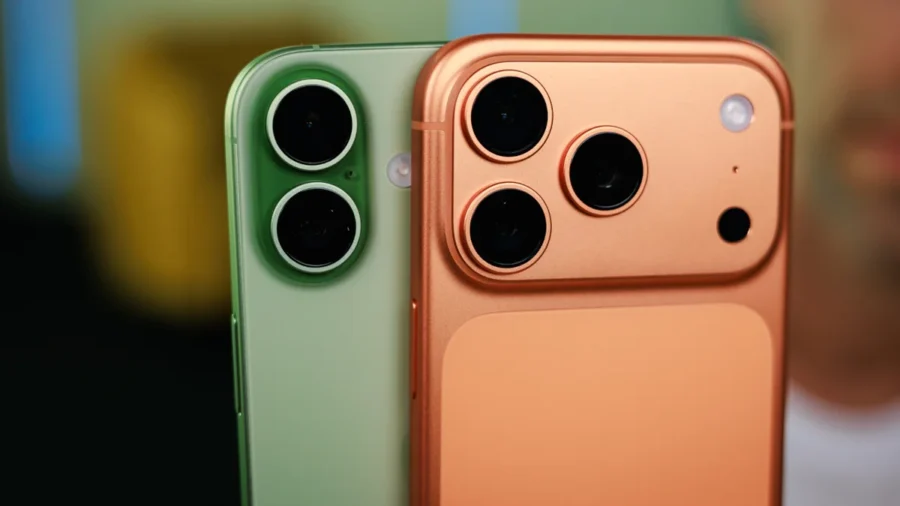
Apple is working on a new security feature that automatically locks the iPhone when it detects that it has been snatched from the user’s hand. The new system seen in the codes will detect when the phone is pulled from the user’s hand by using multiple signals, including the accelerometer. The feature will offer a security layer similar to the Theft Detection Lock system on the Android side. A new security layer is coming against iPhone theft.
Apple has been offering security features such as Find My, Activation Lock and Stolen Device Protection on the iPhone side for a long time. Activation Lock, which comes into play when Find My is turned on, works in conjunction with the Apple Account to prevent anyone else from using a lost or stolen iPhone. Even if the device is deleted or tried to be reinstalled, activation cannot be made without Apple Account information.
Stolen Device Protection, on the other hand, brings additional security conditions for critical operations when the iPhone is outside familiar locations. Face ID or Touch ID verification is required for actions such as changing Apple Account password, turning off Find My, accessing saved passwords, changing security settings, or disabling the feature. In some sensitive changes, a one-hour security wait is applied, followed by a second biometric verification.
However, there is a scenario where current security measures are weak: The phone is snatched from the user’s hand while it is unlocked. In such a case, since the device is already unlocked, the thief can try to access applications, messages, e-mails or financial applications without having to bypass the lock screen. The new system developed by Apple is being prepared to close this gap. The new feature will monitor movement data from device sensors, especially the iPhone’s accelerometer.
The system will automatically lock the device when it detects a movement such as a sudden withdrawal of the phone from the hand. Thus, even if the phone is taken from the user’s hand while it is unlocked, the screen will quickly return to the lock screen. The feature will not be limited only to the iPhone’s own sensors. If the user has a paired Apple Watch, the system will also check the distance between the iPhone and the watch.
The rapid movement of the phone away from the user will be one of the signals used to confirm the snatching scenario. Apple’s new security system will work with Stolen Device Protection rules. It will check if the iPhone is connected to a familiar Wi-Fi network and located in a familiar location such as home or work. If it is understood that the phone is taken from the user in an unfamiliar place, in addition to automatic locking, access to sensitive areas within the scope of Stolen Device Protection will also be limited.
In this context, biometric verification and waiting period will be activated in critical sections such as Apple Account password, Find My settings, saved passwords and security preferences. During this period, the user will be able to take action to secure their bank accounts, digital wallets and other financial services. On the Android side, Theft Detection Lock detects theft attempts using device sensors and locks the screen in suspicious cases.
According to Google’s support page, this feature is not active when the phone’s screen is already locked and may not be triggered in some connection or usage situations. The new iPhone feature developed by Apple similarly focuses on the scenario of picking up the device while it is turned on.




Comments
You can write your views about this story. Comments may be moderated according to site settings.