

Handheld gaming is no longer a niche category for early adopters. In 2026, portable gaming PCs and hybrid handheld devices are becoming one of the most important hardware trends in the gaming industry. Players want powerful devices that can run modern games, stream from the cloud, connect with PC libraries and fit into daily life without being tied to a desk or television.
The momentum is easy to understand. Gaming habits have changed. Many players now move between home, travel, work breaks and shared living spaces. A handheld gaming PC gives them flexibility while still offering access to large game libraries, cloud services, emulation tools, remote play and high-performance hardware. The result is a fast-growing category that sits between traditional consoles, gaming laptops and mobile gaming.
Why Portable Gaming Is Growing
The biggest reason handheld gaming PCs are gaining attention is convenience. Players want the freedom to continue a game away from a monitor, couch or gaming room. A portable device can turn short moments into playable sessions, making it easier to enjoy large games without waiting for long uninterrupted blocks of time.
This shift also reflects a broader change in entertainment. Streaming, remote work, mobile-first content and cross-platform accounts have made users expect flexibility. Gaming is following the same pattern. The most attractive devices are no longer only the most powerful ones. They are the ones that make gaming easier to access.
Computex 2026 Puts Handheld Gaming in the Spotlight
The handheld market is becoming more competitive as major hardware companies bring new designs, chips and display technology into the category. New devices announced around Computex 2026 show that brands are treating handheld gaming as a serious growth area, not a temporary experiment.
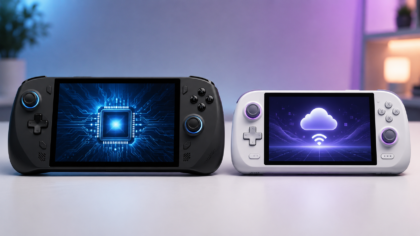
This competition is good for players because it pushes the market forward. Better processors, improved cooling, higher refresh rate screens, more efficient battery use and stronger software support can all make handheld gaming more practical. The category is also expanding beyond one type of device. Some handhelds are built for local PC gaming, while others focus more on streaming from a powerful computer or cloud service.
Performance Is Only Part of the Story
Many buyers compare handhelds by raw power, but performance is not the only thing that matters. A great handheld gaming device needs a balanced combination of battery life, heat management, weight, ergonomics, display quality, storage, controls and software reliability. A powerful device can still feel disappointing if it is too loud, too heavy, too expensive or too complicated to use.
This is why the next phase of handheld gaming will be about refinement. Players want devices that feel comfortable for long sessions, wake quickly, manage updates smoothly and make game libraries easy to navigate. The companies that solve these everyday problems will have an advantage over devices that only focus on benchmark numbers.
Price Pressure Could Shape the Market
The handheld gaming trend is growing at the same time that hardware prices are under pressure. Memory, storage and component costs can affect console pricing, PC hardware and portable gaming devices. This makes value one of the most important questions for 2026.
Some players may choose premium handheld PCs for performance and flexibility. Others may prefer more affordable streaming-focused devices or hybrid consoles. The winning products will be the ones that explain their value clearly. Buyers need to know whether they are paying for local gaming power, cloud streaming, portability, battery life, premium controls or access to a specific game ecosystem.
What This Means for the Gaming Industry
The rise of handheld gaming PCs changes how developers, publishers and platform owners think about players. Games that run well on portable hardware can reach people in more situations. Interface design, battery efficiency, cloud saves, controller support and scalable graphics settings become more important when users are playing on smaller screens and mobile hardware.
For content creators, handheld gaming is also a strong topic because it creates practical buying questions. Players want comparisons, performance tests, battery guides, accessory recommendations and clear explanations of which device fits which type of gamer. That makes the category valuable not only for hardware companies, but also for gaming media and search-driven content.
The Bigger Picture
Handheld gaming PCs are becoming one of the biggest gaming hardware trends of 2026 because they match how people actually play today. Players want flexibility, power and access to their favorite games wherever they are. The category is still evolving, but the direction is clear: portable gaming is moving from secondary device to serious platform.
The next major gaming hardware race may not be fought only in living rooms or high-end desktop setups. It may be fought in the hands of players who want console-quality and PC-style gaming to follow them everywhere.




Comments
You can write your views about this story. Comments may be moderated according to site settings.