
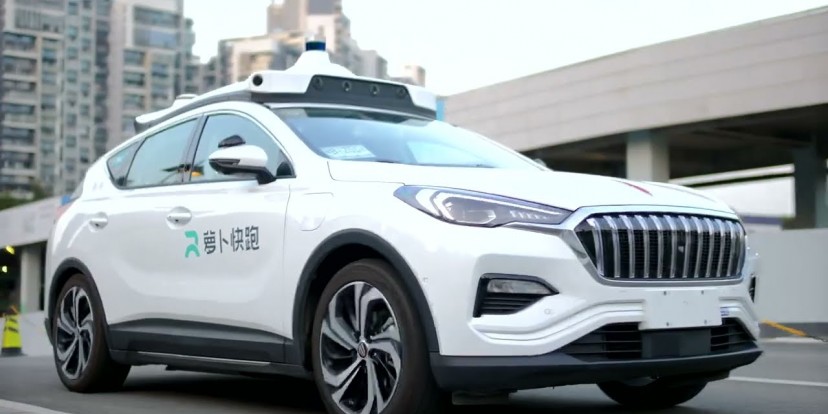
Hello, let’s briefly look at the latest situation of the autonomous robotaxi market as we are in the second month of 2026: A huge momentum has been achieved as a global market. Current reports show that the global robotaxi market is on track to reach $5.5 billion by the end of 2026, up from around $3.5 billion in 2025. This means growth above P on an annual basis. As for the players dominating this rapid growth; We see that Alphabet Waymo is the undisputed leader.
It increased the average number of weekly paid trips to over 450 thousand. At one point, it even tested the 1 million weekly paid ride mark. It aims to expand to more than 20 cities, including London and Tokyo, by the end of 2026. In the first days of this month, it completed a huge investment tour of 16 billion dollars. As for Tesla; It is rapidly expanding the robotaxi service it launched in Austin in mid-2025. According to expectations, Elon Musk will operate 1,000 robotaxis on the roads by the end of 2026, or even more, according to some optimistic estimates.
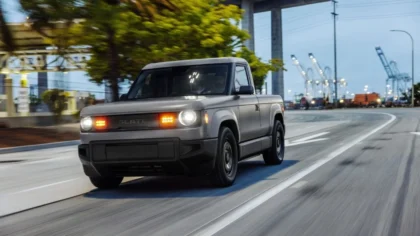
On the other hand, this year it will focus on mass production of the specially designed Cybercab car without a steering wheel. As for Chinese competitors; Baidu (Apollo Go) maintains its absolute dominance in the Chinese market. It has made more than 17 million trips across 22 cities. Now it has its sights set on the Southeast Asian and Middle Eastern markets. Especially in Singapore, Dubai and Abu Dhabi, autonomous robotaxi services will start to be provided later this year.
Other Chinese competitors WeRide and Pony AI are also in this race. On the other hand, Uber and Lyft focused on becoming a “platform” rather than developing their own autonomous vehicles. Uber announced that it will offer robotaxi services with different technology partners such as Wayve and Momenta in more than 10 new cities, especially Munich, London and Tokyo. So, let’s briefly look at what the critical aspects and challenges are in this rapid development environment: Operational Expansion: Robotaxis, which used to be tested only in dry weather and on open roads, are now being tested in cities with complex traffic and abundant rainfall, such as London.
Cost and Safety: While the costs of lidar and sensors are decreasing, artificial intelligence’s ability to minimize human error, which accounts for an average of 10% of traffic accidents, has become the biggest marketing trump card. Legal regulations: While the USA and China are more flexible, Europe, led by Germany and the UK, imposes a very strict control on security certifications. In summary, we can say that this year will be recorded as the year when robotaxis ceased to be an expensive hobby business and started to become a serious alternative to public transportation and private vehicle ownership.
Next week, I will discuss how our country is preparing for robotaxi applications.





Comments
You can write your views about this story. Comments may be moderated according to site settings.