
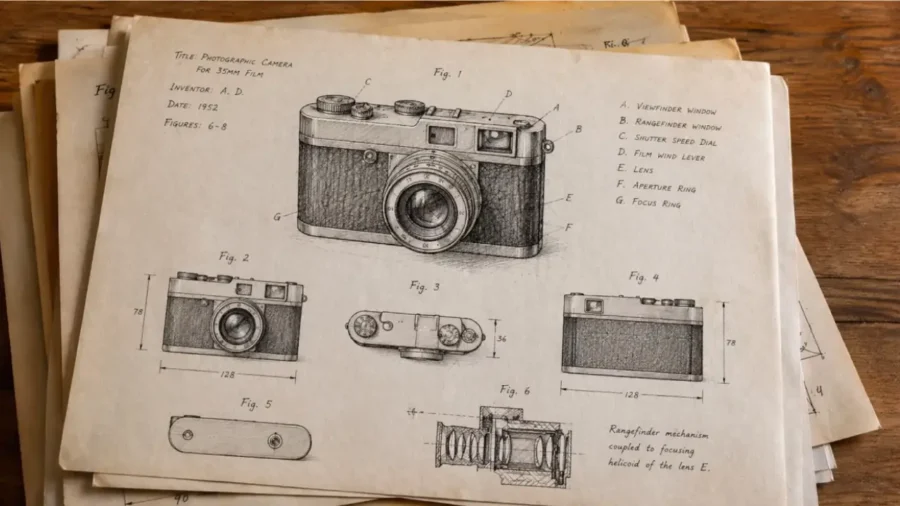
Summary in 10 SecondsChatGPT Images 2.0 is available for all ChatGPT plans as of April 21, 2026. The Images with thinking feature works with Thinking and Pro models in paid plans. The new system can retrieve data via live web search and produce multiple images from a single command. OpenAI points out that more realistic results increase the risk of deepfakes and says it adds additional layers of security. OpenAI launched ChatGPT Images 2.0 on April 21, 2026.
The new model brings a more powerful structure than the previous generation on the visual production side, especially in writing text, following complex commands and creating scenes with much more intense detail. The most critical change is in access: ChatGPT Images 2.0 can be used in all ChatGPT plans. The real break comes on the images with thinking side. In paid plans, when Thinking and Pro models are selected, the system can plan before producing the image, refine the output, and include live web search data in the process when necessary.
This takes the tool from a simple image generator to a structure that does research and then creates images. Why does the new model attract attention? What stands out about ChatGPT Images 2.0 is not only that it produces more elegant images. The technical framework shared by OpenAI shows that the model is significantly strengthened in world knowledge, command tracking and dense text generation. This difference becomes more visible, especially in posters, infographics, brochures, manga pages, designs containing description text, and multi-part visual fiction.
Another important point is that more than one image can be produced from a single request. OpenAI says that with thinking mode, the system can use tools, incorporate live web search data into the process, and turn a simple command into a more researched, more thoughtful final visual. This approach means a change that can make a direct difference, especially in the production of presentations, advertisements, social media images and explanatory diagrams that require up-to-date information.
Text production is a more serious topic this time. One of the weakest links of visual production tools was writing long and readable text. OpenAI highlights exactly this area in the new model. On the official system card, it is clearly stated that dense text, that is, images containing denser and more complex text, can now be produced better. The examples on the official promotional page focus specifically on scenarios such as posters, handwritten notes, multilingual brochures and data-intensive infographics.
This side is more important than you think in daily use. Because the problem is not just aesthetics; Readability, hierarchy and keeping the text within the image intact are also directly part of the job. Demonstrating the new model with multilingual examples also shows that it is not an English-only update. Thinking mode is not for everyone. There is a small but important distinction here. Although ChatGPT Images 2.0 is available on all plans in its basic form, images with thinking is not available to everyone.
According to the release notes published by OpenAI, this feature is available in all paid ChatGPT plans and only comes into play when Thinking and Pro models are selected. In other words, the new visual model can be used on the free side, but the production mode, which takes longer to think and plan, will remain in the paid usage area. This distinction also shows where the product is going. While basic production becomes accessible to everyone, the layer that researches, plans and produces more refined output is positioned as part of the premium experience.
Even the basic model can be a serious leap forward, especially for the user who does not do professional design work but wants to get quality prints quickly; Thinking mode will make the real difference for those working in intense work flow. This inference seems to be compatible with OpenAI’s definition of plan separation and thinking. The bar has also been raised on the security side. OpenAI clearly admits that the new model can produce more realistic results and that this increases the risk of deepfake.
On the system board; It is stated that the likelihood of more convincing fake content imitating real people, real places or real events increases. The company says that it uses request-level blocking, visual input control, output control and additional security classifiers against this. In addition, C2PA metadata support and an invisible, durable watermark structure are also available to track content origin. These two layers are critical to ensure that the images produced can be verified later.
It is not enough on its own, but OpenAI does not offer this as the only solution anyway; It positions itself as a piece that strengthens the line of transparency and tracking.




Comments
You can write your views about this story. Comments may be moderated according to site settings.