
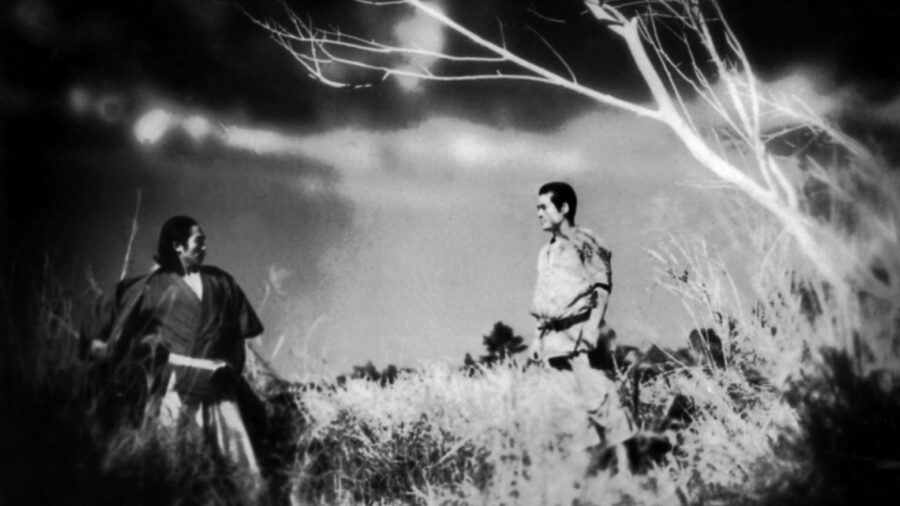
For FRPNet followers, I am igniting a huge marathon in which I will chronologically watch and examine the entire filmography of one of the greatest masters of cinema history, Akira Kurosawa, nicknamed “The Emperor”. Our first stop is the 1943 film Sanshiro Sugata (Judo Epic), in which the master director said hello to cinema, and its 1945 sequel, Sanshiro Sugata Part II, which came in the shadow of the war. There can be no more perfect method than going chronologically to see how a director’s genius evolves step by step.
I scoured the internet and did an in-depth research, and in these feature-length directorial debuts of Kurosawa, I found the clues of the huge masterpieces (Seven Samurai, Rashomon) that would later change the history of cinema. If you are ready, fasten your seat belts; We take an analytical dive into 1880s Japan, the philosophical battle between jiu-jitsu and judo, and Kurosawa’s world full of symbolism. Pace and Editing: While watching the films, you immediately feel how technically visionary the direction, framing and shooting quality are.
However, to be honest, keeping the scenes and cuts too long seriously undermines the overall tempo of the film, it’s like I’m watching a long photograph. The movie is not actually bad or stale as a story; On the contrary, it has a fluent growth story, but due to this fictional choice, it sometimes takes on a structure that bores people and slows down the rhythm. So, why did a genius like Kurosawa resort to this path?
My research reveals two very clear reasons in terms of cinema history: Traditional “Ma” Concept: Japanese cinema of the period had its roots in traditional theater (Noh and Kabuki). In this school, those empty moments and moments where the characters remain silent and nothing happens are very valuable. In Japanese aesthetics, this is called Ma (space/time). Even though Kurosawa wanted to bring the dynamism of American cinema, he was still at the beginning of the road and had to keep up with this traditional rhythm of the period.
The Ax of Wartime Censorship: II. Years of World War II… When Part 1 was completed, the nationalist censorship committee of the period turned the film into a shambles, so to speak. Very critical scenes of approximately 17-18 minutes were cut by the censor and those scenes were completely lost. Kurosawa had to fill in the remaining gaps with narrative texts; This inevitably crippled the film’s fictional fluidity and pace.
Ancient World vs. Modern World: Jiu-Jitsu vs. Judo The main backbone of the film is actually the symbolization of Japan’s modernization pain and transition period through two martial arts. Jiu-Jitsu (Representation of the Old World): It is a harsh, brutal and ancient martial art from the feudal period, used by samurai on the battlefields to kill, maim or completely incapacitate the enemy. The villains in the film (especially Higaki in the first film) represent this old, proud but corrupt, street-fighting-minded world.
Judo (Representation of the New World): Historically derived from Jiu-Jitsu by Jigoro Kano (Shogoro Yano character in the movie) in 1882. The basic philosophy of judo is not to kill or harm people; training both body and mind, maturing character. Our main character, Sanshiro, gets rid of the wild and ego-oriented power of jiu-jitsu and switches to the spiritual discipline of judo, actually becoming a “mature person”.
In a way, we watch the character development of the first modern “martial arts”-based RPG in the history of cinema. Philosophical Background: Zen and Ego Kurosawa used a pure Zen philosophy in these two films. According to Zen teachings, enlightenment (Satori) comes not only by reading books, but through a process of physical suffering and integration with nature. At first, Sanshiro is an impulsive and raw child who only boasts of his power.
When his master scolded him, Sanshiro went and threw himself into the cold, dark swamp water to prove himself. Staying in that swamp until the morning is actually the symbolic death of the old arrogant Sanshiro, breaking his soul and purifying himself from his ego. This philosophy is further expanded in Part 2. Sanshiro does not act out of hatred or revenge when fighting the American boxer or his opponents. In Zen philosophy, the enemy is not a monster that you must destroy; It’s like a mirror that allows you to see your own limits, patience and wisdom.
I think I don’t like the philosophy that pushes me to swindle and bigotry. Kurosawa’s Tips: We have come to the most important part, which we will make special mention of in every future Kurosawa review. The master director, who comes from a painter background, has been making objects and nature talk like characters since his first films: Lotus Flower (Lotus) in the Swamp: While Sanshiro is about to freeze in the swamp from the cold, he sees a lotus flower blooming at night.
In Buddhism, the lotus represents the pure beauty emerging from muddy and dirty water. Sanshiro understands at that moment; Without the quagmire (i.e., life’s hardships, his suffering, and his own ignorance), his soul will never be able to bloom as cleanly as a flower. This scene is his breakthrough of mental enlightenment. Clogs Thrown into the River (Geto): At the beginning of the first movie, Sanshiro throws the clogs (traditional wooden slippers) inherited from his old jiu-jitsu teacher into the river while going after his new judo master.
The camera’s long shot of that clog drifting in the flowing water is a clear symbol of Sanshiro leaving his old wild life, those primitive ties behind, and being caught up in a new current. The Wind in the Hizaki Steppe (Part 1 Finale): In that famous final fight with Higaki, the wind blows so hard that the grass goes crazy and the clouds in the sky flow rapidly. This is the birth of the technique of “matching the weather with the inner world of the character”, which Kurosawa introduced to the history of cinema.
That storm is a reflection in nature of the ultimate mental chaos within the two combatants and the inevitable fluctuation of fate. Silent Mountain Under the Snow (Part 2 Finale): In the finale of the second movie, the fight this time takes place not in a stormy meadow, but on a silent, snowy mountain top, in a frozen nature. This shows that Sanshiro is now over that stormy, impulsive youth period; It symbolized that he had achieved inner peace and the serene and “cold-blooded” wisdom that judo brings.
Now I move on to the second row of the chronology: The Most Beautiful, made in 1944, about female workers in the war factory. Let’s see what kind of world Kurosawa will present to us at that time. See you in the next Kurosawa diary!



Comments
You can write your views about this story. Comments may be moderated according to site settings.