
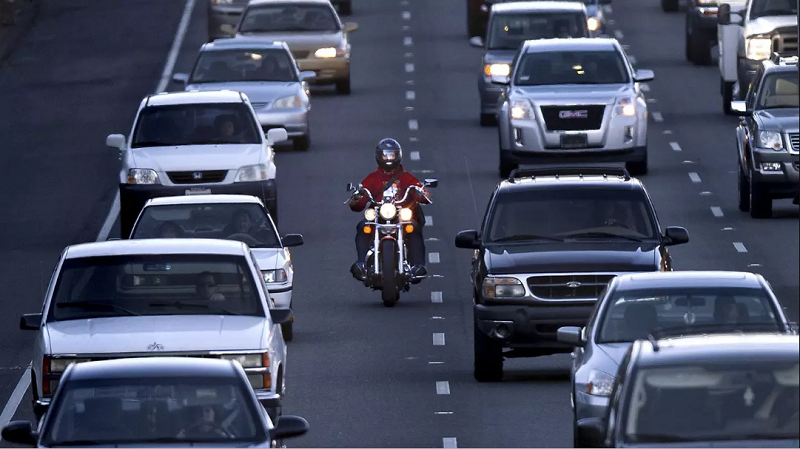
In this article, we will discuss the importance of vehicle choice in urban transportation and the main differences between these two popular options. Today, in fast-paced city life, our transportation options take us to work, school or social events, while also directly affecting the quality and efficiency of our daily lives. Therefore, reducing time spent in heavy traffic and choosing between fuel efficiency and environmentally friendly alternatives is becoming increasingly important. In this context, the comfort and safety offered by cars in urban transportation and the maneuverability and economic advantages provided by motorcycles are noteworthy. In this article, we will look for an answer to the question of which vehicle is more advantageous in urban transportation by examining the advantages and disadvantages of both means of transportation within the framework of the needs and difficulties of urban transportation.
When choosing between a car and a motorcycle, the advantages and disadvantages of both options should be considered. This decision varies depending on your personal needs, lifestyle and priorities. Here are some important points:
Advantages of Buying a Car:
- Safety: Cars are generally safer than motorcycles. They have a closed structure; Offering various safety features such as airbags and seat belts that provide serious precautions in case of an accident provides greater protection.
- Weather Protection: Car; Provides greater protection in weather conditions such as rain, snow, hail, wind and storm.
- Passenger and Cargo Capacity: They are more suitable for families or groups and have the capacity to carry more passengers and luggage. However, the motorbikes offer the opportunity to travel with a maximum of 2 people, depending on their power. Some bikes are suitable for solo travel at this point.
- Versatility: Suitable for urban and out-of-city use, providing more comfortable travel over long distances.
Advantages of Buying a Motorcycle:
- Cost Effectiveness: Generally cheaper than cars, both in terms of purchasing and operating costs.
- Fuel Efficiency: Motorcycles generally consume less fuel and are more environmentally friendly.
- Maneuverability in Traffic: Provides easier movement and parking in heavy traffic.
- Driving Experience: Provides a freer driving experience outdoors. However, we should not forget the difficulties you may encounter in difficult weather conditions.
Things to Consider When Making a Decision:
- Personal Needs: What is your daily transportation need? Factors such as family size, distance, and travel frequency are important.
- Safety: Assess your own safety and driving skills.
- Weather Conditions: Weather conditions where you live may affect motorcycle use.
- Economic Situation: Your budget and the operating costs of the vehicle are important factors.
The decision depends entirely on your lifestyle, needs and preferences. It is important to remember that both options have their own advantages and limitations.
Fuel comparison:
In terms of fuel efficiency, motorcycles generally have an advantage over cars. This is because motorcycles are lighter and have smaller engines. Small engines generally consume less fuel, making motorcycles an economical option, especially for urban use. On the other hand, cars consume more fuel because they are larger and heavier. However, there are large differences between car models when it comes to fuel consumption. Some modern cars, especially hybrid and electric models, offer significant improvements in fuel efficiency. In addition, fuel cost calculations should include not only fuel consumption but also the type and price of fuel used. Although motorcycles generally consume less fuel, some high-performance models may have higher gasoline consumption and maintenance costs. As a general rule, motorcycles consume less fuel, making them more affordable in terms of fuel costs. However, a specific car or motorcycle When evaluating a model, it is important to consider the features and fuel consumption of that model.

Things to know when buying a car
When buying a car, it is important to first determine your budget; You have to decide how much you can spend. Researching vehicles suitable for this budget will make your job easier. You should also consider what type of vehicle you need. For example, are you looking for a smaller vehicle for urban use or a larger vehicle for family size and needs? When making your decision, you should also consider whether you want to buy a new vehicle or a second-hand vehicle.
If you are considering buying a second-hand vehicle, it is important to inspect the vehicle’s overall condition, engine, brakes, tires and other important parts. You should also pay attention to details such as the vehicle’s odometer and maintenance history. In any case, I recommend you take the vehicle for a test drive before purchasing it. This way, you can better evaluate the vehicle’s driving comfort, steering responses and overall performance. You should also take into account long-term expenses such as the vehicle’s fuel consumption and insurance costs. If you are buying a new vehicle, it will be useful to examine the warranty period and service options. These factors are all important to help you choose the right vehicle.
On second hand options
Buying a second-hand car or motorcycle can be a logical option both in terms of cost and practicality. Purchasing a new vehicle requires a higher initial cost, and new vehicles often lose value soon after purchase. A used vehicle will greatly outweigh such depreciation, which can make them more attractive from a budget perspective. Additionally, it is possible to find options in a variety of models and price ranges on the second-hand market, giving the buyer the flexibility to make a choice that suits their needs and budget.
However, it is important to be careful when buying a second-hand vehicle. Factors such as vehicle history, maintenance records and current condition should be examined in detail. When buying a second-hand vehicle, it is necessary to make sure that critical points such as engine condition, chassis, brakes, tires and electrical systems are in good condition. Taking a test drive and getting help from an expert if necessary will help you get a better idea of the vehicle’s condition. Buying a second-hand car or motorcycle can be a less costly option than purchasing a new vehicle, but it does require more research and attention in the process. It is important to carefully evaluate the condition of the vehicle to find the right vehicle and prevent potential problems in the future.



Comments
You can write your views about this story. Comments may be moderated according to site settings.