

Artificial intelligence is entering a new phase in 2026, and the shift is bigger than another chatbot upgrade. The most important trend in technology right now is the rise of autonomous AI agents: software systems designed not only to answer questions, but to plan, decide, execute tasks, coordinate workflows and act across digital environments on behalf of users. For years, AI was mainly experienced as a conversation box. People typed a prompt, received a response and then did the real work themselves. Now that model is changing. The next wave of AI is about action.
The timing is not accidental. Google’s 2026 AI announcements put agents at the center of how people will build, search, create, shop and get things done, while Google Cloud’s 2026 AI agent trend reporting frames agents as a major business transformation layer capable of automating complex tasks and improving productivity. At the same time, search behavior shows that mainstream users are actively looking for practical AI tools for coding, writing, math and image generation, proving that AI demand is increasingly tied to useful outcomes rather than novelty alone.
From Chatbots to Digital Operators
The key difference between a chatbot and an autonomous AI agent is responsibility. A chatbot responds. An agent follows a goal. Instead of simply explaining how to book a trip, organize a schedule, compare products or summarize business data, an AI agent can increasingly help complete the workflow around that request. It can gather information, compare options, trigger actions, monitor changes and return with a result that moves the user closer to completion.
This is why the phrase “agentic AI” has become one of the most important terms in the technology industry. It describes systems that can break a goal into smaller steps, use tools, remember context and adapt when conditions change. In practical terms, this means AI is moving from passive assistance to active coordination. The user gives direction, and the agent handles more of the operational burden.
Why 2026 Is the Breakout Year
The excitement around autonomous AI agents is being driven by three forces at once. First, AI models are becoming better at reasoning across longer and more complex tasks. Second, major platforms are building agent tools directly into search, productivity software, cloud services and consumer apps. Third, businesses are under pressure to do more with less time, less friction and fewer disconnected systems.
This creates a powerful market moment. AI agents are useful for individuals who want to manage daily life more efficiently, but they are also highly valuable for companies that need faster customer support, smarter internal operations, automated research, content workflows, cybersecurity monitoring, software development support and data analysis. In other words, agents are not limited to one industry. They are becoming a horizontal technology layer that can sit across almost every digital process.
What AI Agents Can Actually Do
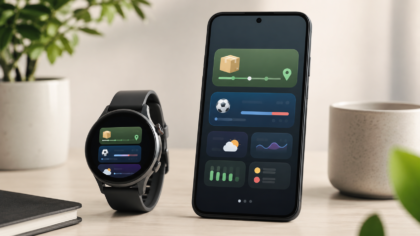
The most practical AI agents are not fantasy robots. They are digital workers connected to tools. A creator might use an agent to research a topic, generate a content outline, check SEO opportunities and prepare a publishing workflow. A small business might use one to organize customer requests, update inventory, prepare invoices and detect urgent messages. A developer might use an agent to inspect code, suggest fixes, run tests and document changes. A consumer might ask an agent to compare flights, track a package, manage reminders or find the best product for a specific need.
The appeal is simple: people do not want more apps to manage. They want outcomes. Autonomous AI agents promise to reduce the distance between intent and result. That is why this trend feels larger than a software feature. It changes the basic relationship between humans and computers.
The New Search and Productivity Economy
Search is also changing. Traditional search engines were built around links. Social platforms were built around feeds. AI agents point toward a future where users may ask for a completed outcome instead of browsing through dozens of pages. This does not mean search disappears. It means search becomes more task-oriented, personalized and action-driven.
For publishers, developers and digital brands, this creates both an opportunity and a challenge. Content must be accurate, structured, useful and trustworthy enough to be understood by humans and AI systems. Brands that create clear explanations, original reporting, strong product data, expert guides and well-organized knowledge will be better positioned in an agent-driven web. The future of SEO will not only be about ranking for keywords. It will also be about becoming a reliable source that AI systems can interpret, cite and act upon.
The Human Role Becomes More Strategic
A common mistake is to describe AI agents as replacements for human judgment. The stronger view is that agents change where human judgment is needed. Instead of spending time on repetitive coordination, users can focus more on direction, creativity, evaluation and final decisions. The best agent workflows will still need human oversight, especially in sensitive areas such as finance, healthcare, legal work, hiring, security and public information.
Trust will be the deciding factor. Users will adopt agents that are transparent, controllable and reliable. Businesses will need clear permissions, audit trails, data protection and human approval points. The most successful AI agent systems will not be the ones that act blindly. They will be the ones that make complex work easier while keeping people in control.
Why This Trend Matters Now
Autonomous AI agents represent one of the clearest technology shifts of 2026 because they turn artificial intelligence from a conversational interface into an execution layer. The promise is not simply faster answers. The promise is faster progress. As agents become more capable, they could reshape how people work, shop, learn, create, travel, build software and manage everyday life.
The next major technology race will not only be about who has the smartest AI model. It will be about who can build the most useful AI agents: systems that understand intent, connect to real tools and deliver meaningful results. In 2026, the winners of the AI era will be the platforms, businesses and creators that understand this shift early. The chatbot age made AI familiar. The agent age will make AI indispensable.




Comments
You can write your views about this story. Comments may be moderated according to site settings.