

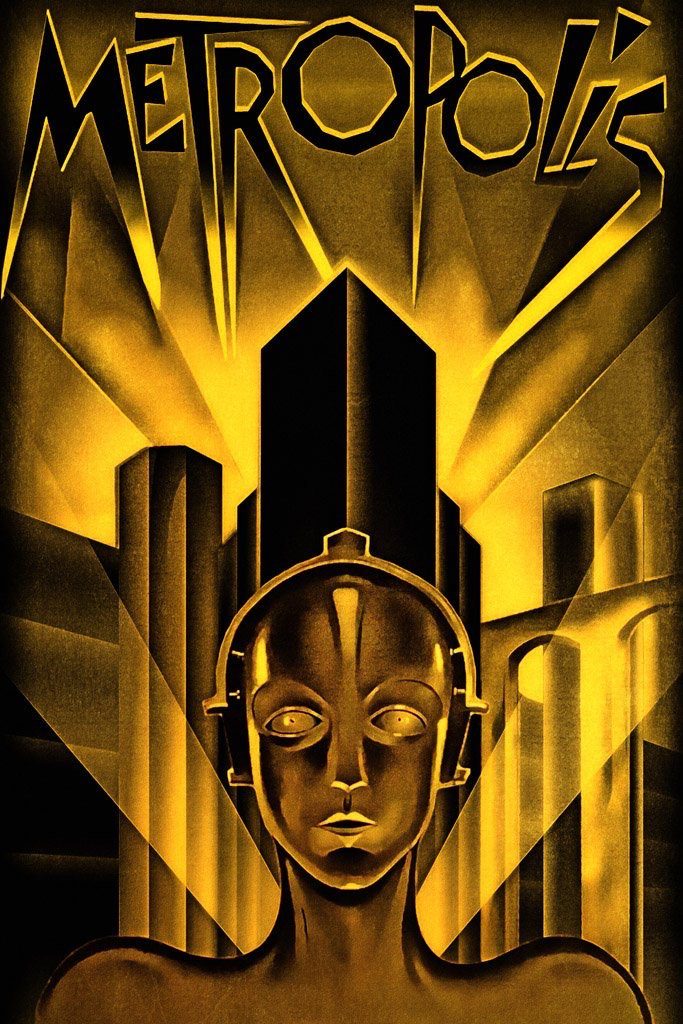
We embark on a dark journey towards 1927, when the foundations of science fiction cinema were laid. As you watch the giant, soot-stained wheels of Metropolis turn, you realize that what is reflected on the screen is not just a futuristic dream, but a perfect x-ray of the order we feel in our bones today. A world built with the blood of those silent masses whose names have turned into numbers, longing for sunlight, miles underground, while the skyscrapers of the capital pierce the clouds… We are faced with perhaps the boldest, most shocking dystopia in the history of cinema.
Life Between the Wheels: Producers and Consumers
Director Fritz Lang, confronts us with a visual feast how people became alienated from their own labor in those years and how huge machines turned into a mythological monster (Moloch) and swallowed the worker. Those uniform masses underground, whose bodies are exhausted in ten-hour shifts, even their steps are imprisoned in the rhythm of giant pistons, their heads always bowed… And on top of the enormous wealth they produce, a handful of privileged minorities enjoy the privilege of “thinking and planning” in the vast Towers of Babel.
The deep anger of the workers and the moment of breaking the chains of labor are so shocking that you find yourself in the middle of an eternal dystopian rebellion as you watch the giant wheels breaking on the screen. Even though the story calms down the storm in its finale, perhaps in order to escape the harsh climate of that period, it connects to a conciliatory metaphor of the “heart” (the mediator between the manager and the producer); The epic anger of those crushed between the wheels is never forgotten.
The Visual Revolution That Terrified Audiences in 1927
The aesthetic dimension of the work is as huge and visionary as the problem it describes. German Expressionism (Expressionism) The famous uncanny shadows, sharp contrasts and distorted angles of the school are blended magnificently with Futurism and Art Deco in this film. That spooky architectural fiction literally comes off the screen and onto you.
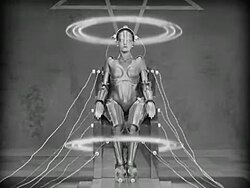
Now imagine the cinema audience of 1927. There is no trace of visual effects technology in the world. The crowd filling the hall; The futuristic city rising into the sky, vehicles flying in the sky, those unique visual illusions created with mirrors (Schüfftan technique) and the most iconic robot in the history of science fiction. MaschinenmenschIt follows the dark, ritual-like transformation scene of . It is not difficult to imagine the confusion, horror and astonishment that the audience of that period experienced when they saw these things on the screen. Reflecting visual greatness on the big screen in those years was literally cinematic wizardry.
In the film, this situation is conveyed by concretely reflecting on the big screen not only the steam in those dark underground corridors, but also the accumulated anger of the masses whose labor was stolen and alienated from the wealth they produced. While the luxury of the above minority is depicted over the stolen lives of the working class; Below, the progress of the masses, who have been turned into cogs of the huge machines they have produced, towards an inevitable rebellion is covered frame by frame. In this order, where factories and means of production are portrayed as mechanisms of exploitation that only enrich the elites above, it is clearly revealed that the system also magnifies its own destruction. The great worker uprising that broke out in the story and the huge switches that broke were rather than a simple outburst of anger; It comes to life on the screen as a struggle to take over the management and control of those who created the production themselves, that is, the real owners of the factories.
Censorship and the Argentinian Miracle
Of course, it was impossible for a work that brought the exploitation of labor and this terrible gap between classes to the screens in such a monumental language, to escape the dark corridors of censorship unscathed. Metropolis’ journey through history is a complete struggle for survival:
- Scissoring and Censorship: Immediately after its Berlin premiere in 1927, the sharp subtexts and sense of rebellion in the film were torn to shreds with a brutal censorship scissors, hiding behind excuses such as “This is too long, the public will not understand”. The filmmakers changed the work to a bird, making the vision more “sterile” and harmless.
- Lost Years: The original, full-length release cut remained in lost status for decades. For generations, science fiction and cinema enthusiasts have been condemned to watch this masterpiece only in its disjointed, makeshift and censored form.
- The Miracle From Rusty Shelves: Until 2008! Until those lost 16 mm reels were found on the rusty shelves of a cinema museum that no one visited in Buenos Aires, the capital of Argentina… This was officially a miracle rising from the ashes for the geek world and the history of cinema. Those destroyed scenes were repaired step by step through years of restoration, and in 2010, the version closest to Fritz Lang’s gigantic vision finally emerged from darkness into the light.
Metropolis is not only the sacred ancestor of the science fiction and cyberpunk genres; It is an aesthetic, dark and eternal rebellion against labor, wheels and the mechanized system.




Comments
You can write your views about this story. Comments may be moderated according to site settings.