
Google announced the innovations that will come with Android 17 at the Android Show event held before I/O 2026. New version; Gemini Intelligence comes with Gemini on Chrome, more advanced security tools, easy transition from iPhone to Android, new content production features for Instagram, 3D emojis, Pause Point and Android Auto updates. With Android 17, the Android experience becomes artificial intelligence-centered.
One of the biggest innovations of Android 17 was Gemini Intelligence. Google is transforming Android from a classical operating system into a more proactive intelligence system. Gemini Intelligence can perform operations between applications at the user’s command, understand the context on the screen or captured by the camera, and complete multi-step tasks. One of the examples given by Google is working with the shopping list.
By keeping a long grocery list open on the screen in the notes application and long pressing the power button, the user can ask Gemini to create a shopping cart for delivery with these products. In another example, a user can take a photo of a travel brochure and ask Gemini to find a similar tour for six people on Expedia. While Gemini carries out these processes in the background, progress is monitored through notifications and the final approval remains with the user.
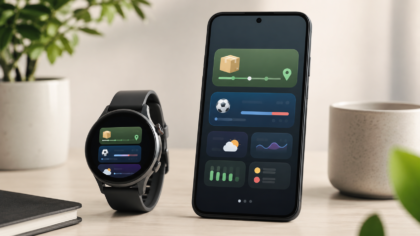
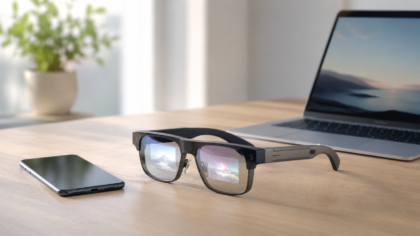
Gemini Intelligence will be available in waves on Android devices. According to Google’s statement, the features will launch with the newest Samsung Galaxy and Google Pixel phones this summer. Later, Android will expand to other device categories, including watches, automobiles, glasses and laptops. The Create My Widget feature that comes with Android 17 allows users to create custom widgets by giving commands in natural language.
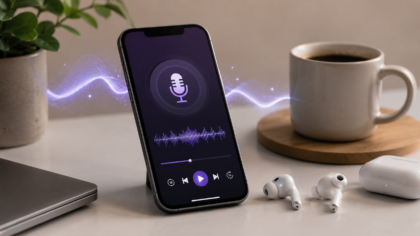
For example, a user who wants weekly high-protein recipes can get a special panel created according to this request and added to the home screen. On the weather side, a special widget that focuses only on wind speed and rain information can also be prepared with the same system. The new Rambler feature turns the speech-typing experience into regular text. When the user speaks naturally, Rambler extracts the important parts and turns it into a clearer message, rather than transcribing the sentences verbatim.
Google states that in this feature, audio is used for real-time transcription and is not stored or recorded. Rambler can also understand the transition between more than one language within the same message. The Gemini era begins on the Chrome side. In Chrome for Android, Gemini understands page content and can summarize long texts, respond to user questions based on page context, and explain complex topics. When the Gemini icon is touched, the assistant opens at the bottom of the screen and works without switching between applications.
Gemini in Chrome also works in conjunction with Google applications. The user can add ingredients from a recipe to Keep, save an event to the calendar, or find specific information in Gmail. Thanks to Nano Banana integration, there is also support for creating images in Chrome and customizing images seen on the web. The auto browse feature automates some daily operations through Chrome on Android. Google’s examples include things like booking a parking space and modifying an existing order.
The system asks the user for approval on sensitive steps such as purchasing or sharing on social media. Gemini in Chrome will be available in the US at the end of June on select devices running Android 12 or above and with at least 4GB of RAM. Auto browse will start for AI Pro and Ultra subscribers in the USA. Android 17 also brings new tools for content creators. The Screen Reactions feature allows the user to record himself and his screen at the same time.
Thus, reaction videos can be prepared without switching between different applications or setting up a green screen. This feature will first be available on Pixel devices this summer. Google also announced that it is working with Meta for the Instagram experience on Android. With Android 17, Ultra HDR shooting and playback, built-in video stabilization and Night Sight integrations are among the prominent innovations on the Instagram side.
Google also states that the quality of videos uploaded to Instagram from Android flagship devices is at the same level or better than competing platforms. Instagram is also optimized for Android tablets. Instagram’s Edits application is also getting new tools specific to Android. The Smart enhance feature enhances photos and videos with a single touch with on-device artificial intelligence. Sound separation can identify and separate sound layers such as wind, noise and music.
In this way, the user can highlight the sound he wants or remove the background sounds he does not want. The Adobe Premiere application is also coming to Android. According to Google’s statement, Premiere will offer special templates and effects to produce and share YouTube Shorts from within the application. APV, or Advanced Professional Video format, was developed together with Samsung. This format works with hardware acceleration on Snapdragon 8 Elite Gen 5 and can currently be used on the Samsung Galaxy S26 Ultra and vivo X300 Ultra.
Android 17 also has important innovations on the sharing and migration side. Quick Share is compatible with AirDrop on supported Android phones. This support starts with Pixel; It has been expanding over the year to manufacturers such as Samsung, OPPO, OnePlus, Vivo, Xiaomi and HONOR. Users who do not have a compatible device can share files via the cloud with iOS devices by creating a QR code on any Android phone. This feature is being rolled out to all Android phones starting today and will be fully available within the next month.
The transition process from iPhone to Android is also being renewed. As a result of the work carried out by Google and Apple, passwords, photos, messages, applications, contacts, home screen layout and eSIM information can be transferred wirelessly to the new Android device. This renewed migration system will be used for the first time on Samsung Galaxy and Google Pixel devices within the year. On the messaging side, end-to-end encryption support between Android and iOS for RCS is also coming.
Google states that 2.5 billion RCS messages are sent every day, based on the last 28-day average. The new secure messaging step strengthens the privacy side of cross-platform communication. On the security side, Android 17 brings new protection tools against scam calls. Google is rolling out the verified finance calls feature with select banks and financial institutions. When a call appears to be coming from the bank, Android checks whether the call was actually initiated from the relevant app.
If the application verifies that the call is not real, the system automatically ends the call. The feature will launch in the coming weeks on Android 11 and above devices with Revolut, Itaú and Nubank. Live Threat Detection is also expanding. Dynamic signal monitoring in Android 17 analyzes applications’ interactions with the system in real time and detects suspicious behavior. Behaviors such as hiding the application icon, running from the background, forwarding SMS and abusing accessibility permissions are among the focal points of this system.
Malware will also be checked when Safe Browsing is turned on during APK download in Chrome. Lost phone security is increased on the Find Hub side. With Android 17, the mark as lost feature will require biometric verification in addition to a PIN or password. Thus, even if a person knows the user’s PIN code, they will not be able to turn off device tracking or regain access to the phone marked as lost. Android 17 also limits PIN and password guessing attempts and introduces longer waiting times between unsuccessful attempts.
On the privacy side, Android 17 introduces a new temporary permission button for location sharing. The user can share their precise location during a specific task and only when the app is open. Additionally, the location indicator appears at the top of the screen, similar to the camera and microphone indicators. In contact access, thanks to the new contact selector, applications get temporary access only to selected contacts and necessary areas, instead of accessing the entire contact.
Pause Point comes as the new feature of Android 17 on the digital health side. When the user opens a distracting app, the system shows a 10-second pause screen. On this screen, breathing exercises can be done, a time limit can be set for the application, favorite photos can be viewed or alternative application suggestions can be made. It is necessary to restart the phone to turn off the feature. Google also announced the new emoji collection called Noto 3D.
The new 3D emojis will be available in the Google ecosystem later in the year and will be available first on Pixel phones. Android Auto is also getting a comprehensive update. The new interface brings the Material 3 Expressive design language to automobile screens. Widgets, end-to-end Google Maps, design compatible with different screen ratios, customizable wallpapers and smoother animations are among the parts of the new experience.
Google Maps with Immersive Navigation; It shows buildings, overpasses, land structure, lanes, traffic lights and stop signs with a more detailed 3D view. Android Auto supports watching Full HD 60 FPS videos from applications such as YouTube while parked. This feature will launch with BMW, Ford, Genesis, Hyundai, Kia, Mahindra, Mercedes-Benz, Renault, Škoda, Tata and Volvo later in the year. When the vehicle moves, the video will safely switch to audio only in supporting applications.
Dolby Atmos-supported spatial audio will also be available in select apps and vehicles. Gemini is taking on more roles in Android Auto and Google built-in vehicles. When the user receives an address question via text, Magic Cue can understand the context, find the correct answer from information in text messages, email or calendar, and suggest a response with a single tap. In Google-built vehicles, Gemini can also answer vehicle-specific questions, such as the warning light on the dashboard or what will fit in the trunk.



Comments
You can write your views about this story. Comments may be moderated according to site settings.