
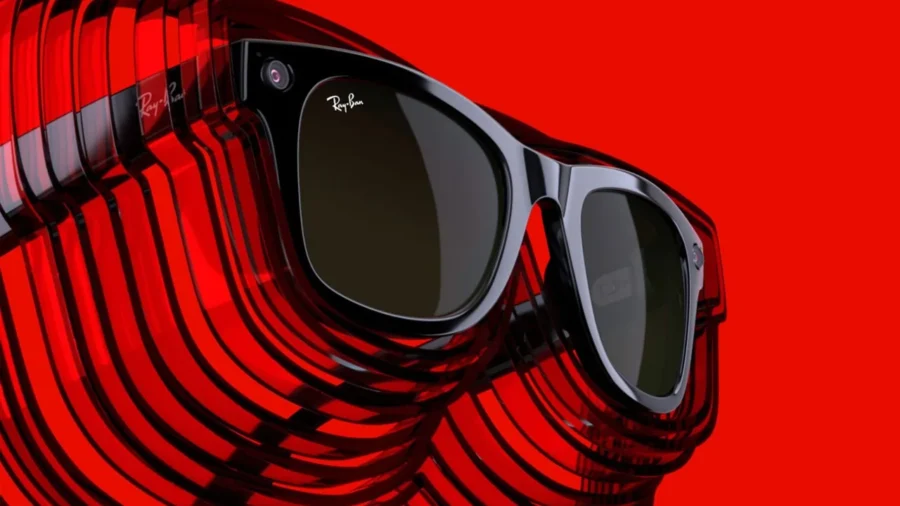
The use of smart glasses by police forces in China is expanding. Police-oriented smart glasses developed in Tianjin; With its camera, recognition system, real-time internet connection, OCR, voice command and artificial intelligence-supported analysis features, it is used in areas such as traffic management, patrol duty, identity verification and finding missing persons.
What can the Chinese police’s smart glasses do?
Smart glasses developed specifically for public security units in China have begun to be used in the field. Local solutions are used in both hardware and software in the devices developed by the Tianjin public security system. According to information in the Chinese press, these glasses are actively used in tasks such as traffic management, street patrols, city order enforcement and finding missing persons.
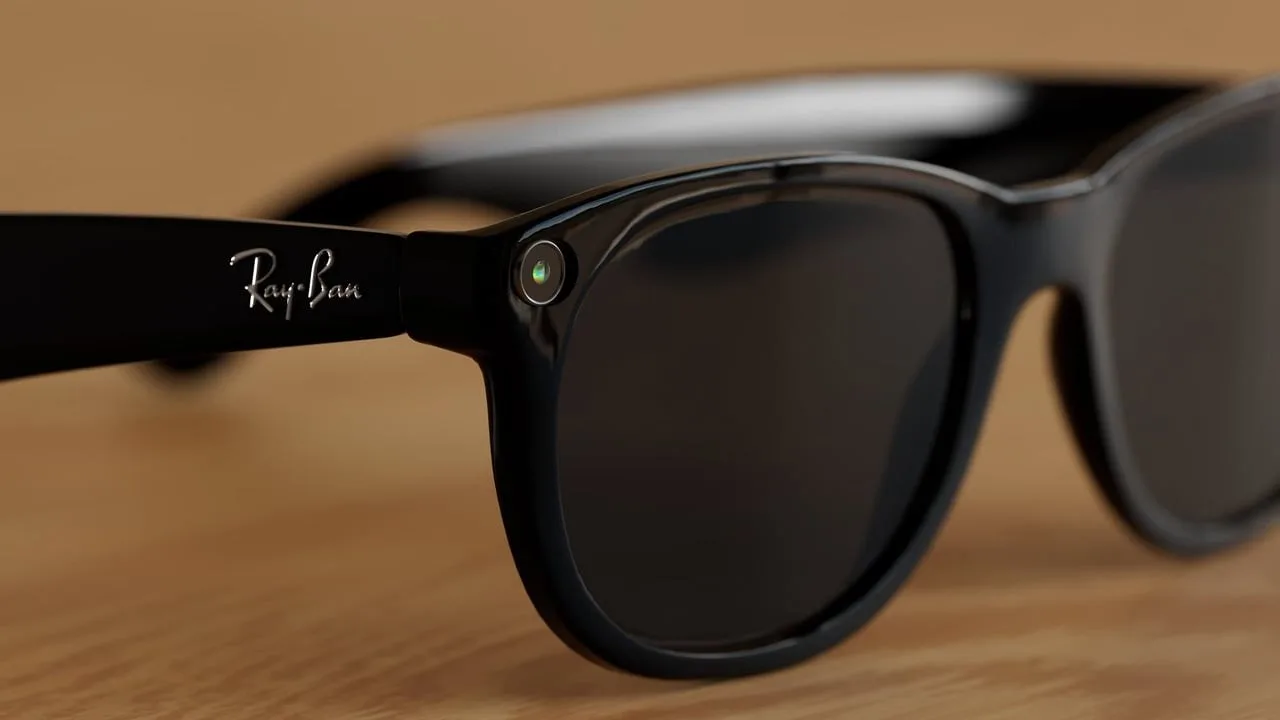
The glasses work with a camera, recognition system and real-time internet connection. By wearing the device, police officers can quickly identify objects, signs, license plates and people as they walk down the street. The system can make instant comparisons with the big data infrastructure and provide feedback to the officer in the field.
Zhao Baoxin, a police officer working in Tianjin, shared an example from the Heping region. Accordingly, an elderly person at an intersection had difficulty speaking and could not say his name or address. Police teams made identification through smart glasses, obtained family information and handed over the elderly person to his family in about 20 minutes.
The devices offer text recognition, voice recognition and voice command control. Working through a networked platform, the glasses can complete queries in the field, such as verifying a person’s identity or finding family contact information. This structure brings the classical radio or manual interrogation process from the center directly to the officer’s field of view.
It is stated that smart glasses are also used in traffic management. During peak hours around Tianjin No 21 Secondary School, parents can register through a mini program. License plate information is added to the backend of the system. The police officer wearing the glasses quickly distinguishes authorized vehicles, allows them to stop briefly and directs other vehicles.
According to the information shared by Sun Yinghua from the Tianjin Municipal Public Security Bureau, the glasses have a recognition accuracy of over 95 percent. The system can capture data within milliseconds and return results. With OCR visual recognition capability and large artificial intelligence model support, the camera can detect objects, signs and license plates.
Battery life has also been increased in the second generation glasses. The new model offers two to three times longer use than the first generation and can be worn continuously for 1.5 to 2 hours. There are special sensors on the temples of the glasses. The device is automatically activated when plugged in, and goes into standby mode when removed.
The device weighs approximately 40 grams. This weight is lighter than an average pair of sunglasses. Unlike the body camera, smart glasses provide a first-person perspective. When the police officer leans or changes direction, the image is recorded according to the direction the officer is looking.
In China, smart police technologies have become part of a broader transformation. At the national public security technology study conference held in December, strengthening the police force with technology and further incorporating digital tools into operations were on the agenda.
According to Zhiyan Consulting’s 2026 industry report, the Chinese public security IT market increased from 10.8 billion yuan in 2015 to 25.5 billion yuan in 2025. The report gives the compound annual growth rate as 8.96 percent.
Smart glasses are not limited to Tianjin. It is reported that traffic police in Jinyun district in Zhejiang province increased the efficiency of roadside heavy vehicle checks by approximately 300 percent with artificial intelligence glasses. Artificial intelligence glasses used by traffic police in Haikou, Hainan province, complete the process from identification to warning within 30 seconds.
A multi-layered security system covering air, ground and individual police equipment was established in Chengdu, using humanoid robots, robot dogs and smart glasses together. Shenzhen also made clear in its 2026 public security work plan that the practical use of new technologies such as robots and artificial intelligence glasses will be deepened.
These devices will be exhibited in Tianjin as part of the 2026 World Intelligence Expo. The event is a showcase for smart security equipment used in city management, public services and social governance.
The use of smart glasses in police departments is also on the agenda outside China. In India, Delhi police used artificial intelligence-supported smart glasses for Republic Day security in January. The Dutch national police pilot tested Vuzix Blade augmented reality glasses to provide information support to patrol teams in 2020.
There is a similar debate on the US side. According to budget documents cited by security journalist Ken Klippenstein, the US Department of Homeland Security is working on smart glasses prototypes that can provide real-time identification for ICE personnel with biometric data and facial recognition. The project in question is expected to be ready for use by September 2027.




Comments
You can write your views about this story. Comments may be moderated according to site settings.