
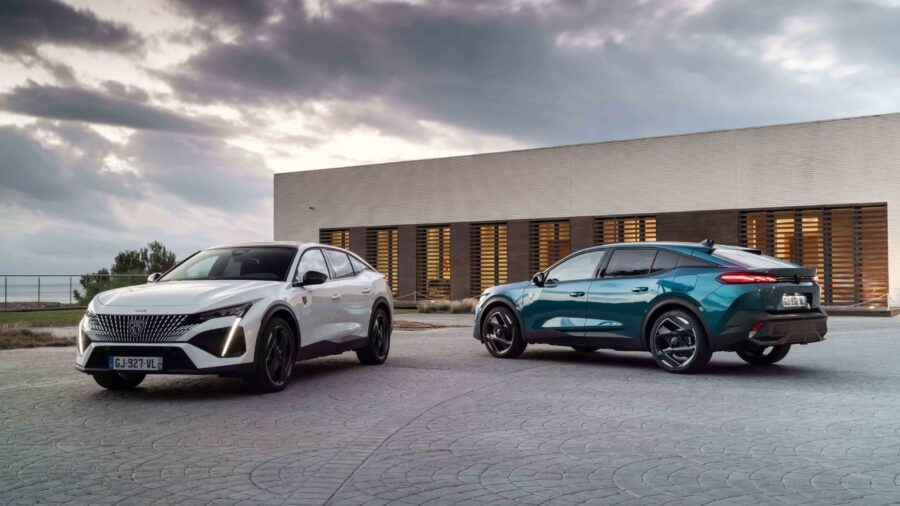
While Stellantis, one of the world’s leading automotive groups, has committed to fully battery electric passenger car sales in Europe by 2030, it has also been testing the availability of e-Fuel in Euro 6 models that have been on sale in Europe since 2014 in order to reduce carbon emissions.
Founded in January 2021, Stellantis N.V., one of the largest groups in the global automotive and mobility world, confirmed that it is completing e-Fuel testing in 28 engine families. This will help accelerate the potential to reduce carbon emissions of the 28 million internal combustion (ICE) Euro 6 engines produced by Stellantis in Europe since 2014. Stellantis will also continue its commitment to sell only BEV passenger vehicles in the region by the end of the decade.
E-Fuel, which is part of existing solutions to reduce carbon emissions and combat climate change, is a synthetic fuel produced from water, CO2 and renewable energy and can be replaced later. Customers with existing ICE vehicles with e-Fuel; They will have an easy and cost-effective option to decarbonize their vehicles without changing their vehicles, making changes to the engine fuel system or waiting for a new infrastructure.
Stellantis CEO Carlos Tavares; “We are accelerating our fight against global warming by testing carbon neutral fuel as a complementary solution to our comprehensive decarbonisation approach. While we remain committed to executing our aggressive electrification strategy, we must also find smart alternatives to address the CO2 emissions of the 1.3 billion existing internal combustion engine cars. By working to ensure our Stellantis engines are eFuel friendly, we aim to offer our customers another solution in the fight against global warming that can have an almost immediate impact. “It is an action consistent with our commitment to be carbon neutral by 2038,” he said.
Potential to reduce up to 400 million tonnes of CO2 emissions in Europe
Stellantis is testing and certifying 28 engine families for both gasoline and diesel engines produced from 2014 to 2029. Comprehensive verification protocol; It includes tests on exhaust emissions, operation, engine power, reliability, durability, oil reduction, fuel tank, fuel lines and filters. Use of e-Fuel in approximately 28 million vehicles in the Stellantis fleet; It has the potential to reduce up to 400 million tons of CO2 emissions in Europe from 2025 to 2050.
e-Fuel productionIt also means an opportunity to re-evaluate and create the energy resource map focused on utilizing wind and sun, rather than based on current fossil fuel extraction locations. Stellantis will invest more than €30 billion in electrification and software by 2025 to deliver battery electric vehicles that meet customer demands. The company is also working on complementary solutions to continue its efforts to reduce CO2 emissions to fulfill its commitment to provide clean, safe and affordable transportation solutions for society.
The company’s long-term strategic plan, Dare Forward 2030, is based on sweeping emissions cuts to halve CO2 by 2030 compared to 2021 and achieve a net zero carbon target by 2038. Dare Forward 2030 strategic plan; All passenger car sales in Europe and half of passenger car and light commercial vehicle sales in the United States will be BEVs by the end of the decade; Doubling Net Revenues by 2030 compared to 2021 and sustaining double-digit Adjusted Operating Income margins for 10 years; It includes targets such as ranking first in customer satisfaction with products and services in every market by 2030.




Comments
You can write your views about this story. Comments may be moderated according to site settings.