
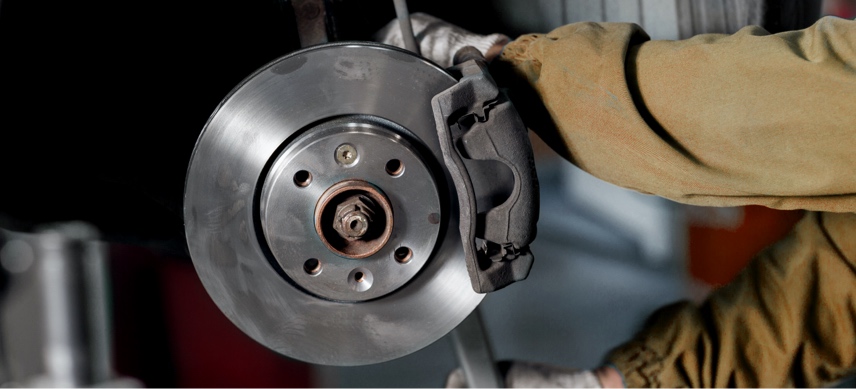
Vehicle safety is one of the most important issues for drivers and passengers. The braking system is a vital component to ensure the safety of the vehicle. The efficient operation of the brake system depends on the quality of the brake pads. Brake pads are parts that work together with the brake discs to slow down or stop the vehicle. This article will focus on the importance, operation, types and maintenance of brake pads, and will explain when to replace this part for vehicle safety.
Importance and Selection of Brake Pads
The brake pad is a vital part for vehicle safety. Choosing the right brake pads and maintaining them regularly will not only improve your vehicle’s performance but also reduce potential risks of accidents.
What are Brake Pads and How Do They Work?
A brake pad is a braking system used to reduce or stop the speed of a vehicle. When the vehicle brake is applied, the brake pads apply pressure to the brake discs through friction, and this friction reduces the speed of the vehicle or stops it completely.
Types of Brake Pads
Brake pads generally fall into two main categories: disc brake pads and hood brake pads. Disc brake pads are generally used in more modern and performance-oriented vehicles, while hood brake pads are a more traditional and cost-effective option.
Things to Consider When Choosing Brake Pads
brake pad Your vehicle’s model, structure and intended use play an important role in your selection. At the same time, different types of brake pads have different performance and cost effectiveness. For example, ceramic brake pads are generally quieter and produce less dust, while metal brake pads are generally more durable and can withstand more heat.
In conclusion, the importance and selection of brake pads has a huge impact on the performance and safety of your vehicle. Choosing the right brake pads and maintaining them regularly can improve your driving experience and extend the life of your vehicle.
When Should Brake Pads Be Replaced?
When brake pads need to be replaced depends on several factors. The lifespan of brake pads may vary depending on your driving style, your vehicle’s operating conditions, and other factors. In general, you may need to replace brake pads in the following cases:
- Wear level:Brake pad wear indicators are usually indicated by a warning light or indicator on your vehicle’s dashboard. If this indicator is on or you feel an abnormal noise or friction from the pads when using the brake pedal, it may mean that the pads may be worn and need to be replaced.
- Thickness: The thickness of the brake pads can be controlled by a mechanical processor. Brake pads that fall below a certain thickness are generally considered to need replacement. This thickness may vary depending on the make and model of your vehicle, so it’s important to consult your vehicle’s owner’s manual or manufacturer’s recommendations.
- Sound and vibration:Wear or deformation of the brake pads can cause grinding or hissing noises, vibrations or jolts when braking. If you notice such symptoms when using the brake pedal, it is recommended to check the brake pads and replace them if necessary.
It is important to check the brake pads regularly and replace them if necessary to ensure the safety of your vehicle. Therefore, it is important to follow your vehicle’s owner’s manual and the manufacturer’s recommendations. It is also a good approach to regularly take your vehicle to an authorized dealer for maintenance and service to monitor the condition of the brake pads and replace them when necessary.
original Auto Spare Parts You can click on the link to review their products.
Brake Pad Types and Features
Organic Brake Pads
Organic brake pads are a type commonly used in vehicles. These pads consist of a combination of organic fibers, resins and other materials. Organic pads are quiet and perform well at low temperatures. They also cause less wear on the brake disc and create less dust. However, organic pads may wear faster at high temperatures and their performance may decrease.
Semi-Metal Brake Pads
Semi-metallic brake pads are created by combining organic fibers with metal grains. These types of pads combine the advantages of organic pads (silence, low wear) and the advantages of metal pads (high temperature resistance, long life). Semi-metal pads are generally a preferred option in middle and upper class vehicles.
Metal Brake Pads
Metal brake pads are commonly used in high-performance vehicles. They are usually made from a mixture of iron, steel, copper and other metals. Metal pads are resistant to high temperatures and perform better in situations requiring quick stops. However, metal pads wear faster, can damage the brake disc more and create more dust.
Brake Pad Maintenance
Regular Check of Brake Pads
Regular control of brake pads is important for vehicle safety. The wear level and quality of the pads should be checked and replaced if necessary. Pad wear indicators are located near the brake pedal in most vehicles. When these indicators show that the pads have reached the minimum thickness, the pads need to be replaced.
The Importance of Brake Pads and the Importance of Careful Maintenance
In this article, comprehensive information is presented about the function, types, working principle, life, malfunctions, maintenance and replacement of the brake pad, which is an important part of the automobile brake system. Regular checking, cleaning and replacement of brake pads is important for the safety and performance of the car. Remember, the healthy functioning of the brake pad is vital for driver and road safety.
Factors Affecting the Life of Brake Pads and Early Change Symptoms
The lifespan of brake pads depends on many factors, such as your usage pattern and environmental conditions. However, it is generally recommended to replace the pads between 30,000 and 70,000 kilometers.
Factors Affecting the Life of Brake Pads
Factors that affect the life of brake pads generally include:
Driving Style
A fast and aggressive driving style can cause brake pads to wear faster. Hard and frequent application of the brakes can cause the brake pads to heat up faster and therefore wear out faster.
Vehicle Use
When the vehicle is often transported in heavy traffic or with heavy loads, brake pads can wear out faster. Therefore, people who live in high-traffic areas or use their vehicles to transport heavy loads may need to check and replace their brake pads more frequently.
Early Symptoms of Brake Pad Change
Paying attention to early signs of replacing your brake pads is vital to avoid potential risks of accidents. Here are some signs that your brake pads need to be replaced:
Loud Voices
Squealing, squeaking, or grinding noises when the brakes are applied may be a sign that your brake pads are worn.
Tremors or Shaking
If the steering wheel shakes or shakes when you press the brake pedal, this may be a sign that your brake pads are wearing unevenly.
As a result, regular inspection and maintenance is vital to extend brake pad life and ensure vehicle safety. Additionally, understanding the early signs of brake pad replacement is important to avoid potential hazards.






Comments
You can write your views about this story. Comments may be moderated according to site settings.