
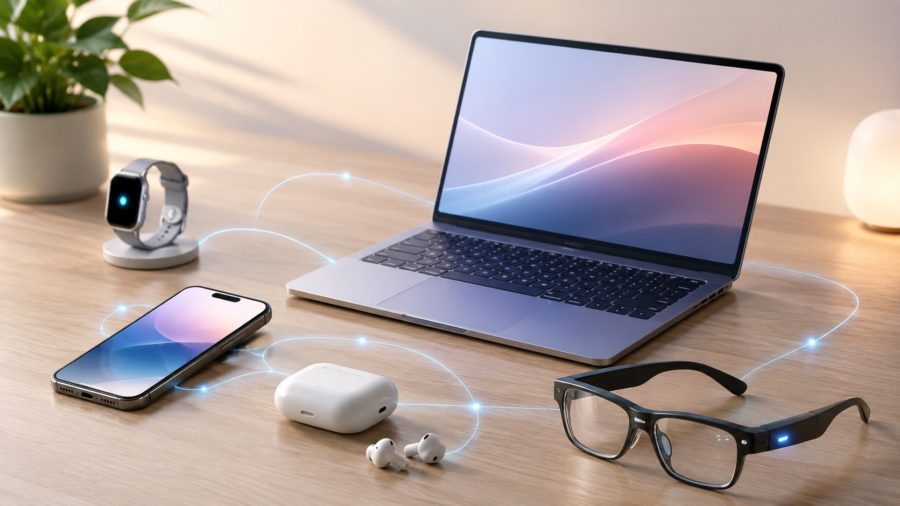
AI is starting to change consumer electronics shopping in a practical way. Instead of being only a software trend, artificial intelligence is becoming a reason for people to consider upgrading phones, laptops, gaming devices and everyday gadgets.
Retail signals are beginning to show that shift. Best Buy reported stronger-than-expected quarterly results and gave an upbeat sales forecast, helped by demand for AI-powered smartphones, gaming consoles and newer technology categories, according to Reuters. The company is also investing in areas such as AI glasses, 3D printers and collectibles as it looks for growth beyond traditional electronics sales.
That matters because consumer tech has gone through several slow upgrade cycles in recent years. Many people kept older phones and laptops longer because the improvements from one generation to the next felt incremental. A slightly better camera, thinner design or faster processor was not always enough to justify a new purchase.
AI may give manufacturers and retailers a stronger argument.
A phone that can summarize messages, edit photos, translate conversations or run more tasks on-device feels different from a phone that only has a better screen. A laptop with AI features for search, video calls, writing support and local processing may feel more useful to students, workers and creators than a standard performance upgrade.
The key question is whether shoppers see these AI features as genuinely helpful or just another marketing label.
Right now, the strongest appeal may come from everyday convenience. Consumers do not necessarily care about model sizes, neural processors or technical benchmarks. They care about whether a device saves time, improves photos, makes work easier, helps with meetings or handles tasks faster.
That is why AI gadgets are becoming a retail story. The technology may be complex, but the pitch is simple: this device can do more for you.
Best Buy’s stronger outlook suggests that consumers are still cautious, but not completely unwilling to spend on technology. Reuters reported that while shoppers remain careful because of higher fuel costs and broader price pressure, they continue to buy higher-priced tech upgrades when the value feels clear.
That is an important distinction. The consumer electronics market is not simply booming across every category. Shoppers are selective. They may delay ordinary purchases, but still pay for upgrades that feel useful, new or tied to daily life.
AI-powered smartphones are one example. The smartphone market has matured, and many users no longer replace devices every year. But if AI features become more reliable and useful, phone makers may be able to restart interest among buyers who have been waiting longer between upgrades.
AI PCs could follow a similar path. Many households and businesses bought computers during earlier remote-work cycles, then slowed replacements. New AI-focused laptops may create a fresh reason to upgrade, especially if software features begin to depend on newer chips.
Gaming also remains part of the story. Reuters said Best Buy’s demand was supported partly by gaming consoles. Gaming hardware often benefits from strong visual appeal, social interest and seasonal buying patterns, making it a reliable Discover-friendly consumer tech angle.
The next wave may be smaller devices. AI glasses and wearable assistants are still early, but retailers are watching them because they could become a new category rather than just an upgrade to an old one. If smart glasses become useful for navigation, translation, messaging or work tasks, they may move from novelty to practical gadget.
Still, there are limits. Consumers have become more skeptical of expensive technology promises. A device cannot rely on the word “AI” alone. It must offer battery life, reliability, privacy controls and clear benefits.
Privacy may become especially important as AI features move into personal devices. Phones, laptops and wearables can process messages, photos, location data, voice commands and personal routines. The more AI features become embedded in gadgets, the more users will want to know what happens on-device and what is sent to the cloud.
For retailers, the opportunity is to explain AI in simple terms. Shoppers may not want long technical demos. They may want to know which features matter for school, work, travel, gaming, photos or family use.
For manufacturers, the challenge is to avoid overpromising. If AI features feel unfinished, slow or confusing, the upgrade cycle could lose momentum quickly. But if they feel natural and useful, AI could become the next major reason people refresh their devices.
The broader consumer tech market is entering a test period. The first wave of AI gadgets generated attention. The next phase has to prove value.
Best Buy’s latest outlook suggests that shoppers are willing to consider the upgrade story. Now the devices themselves have to make the case. In 2026, the most successful AI gadgets may not be the ones with the biggest claims, but the ones that make everyday tasks feel easier.





Comments
You can write your views about this story. Comments may be moderated according to site settings.