
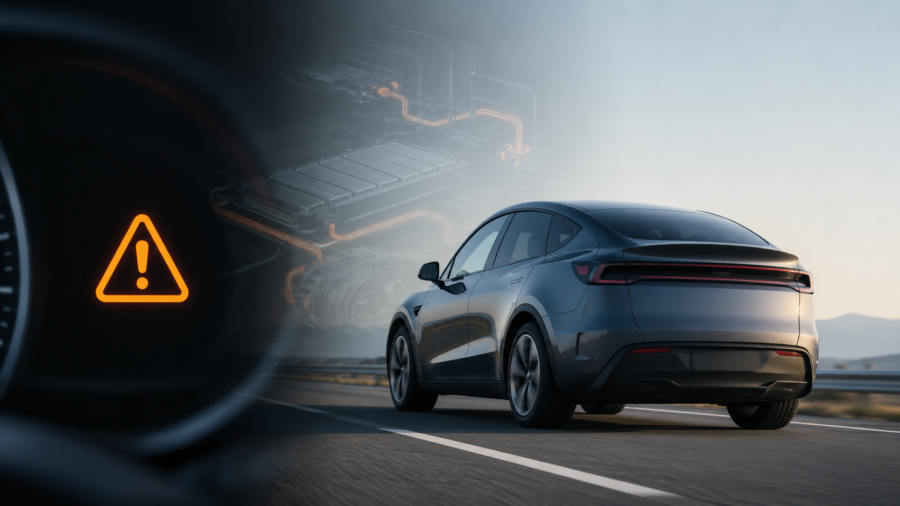
Lucid is recalling more than 2,000 electric vehicles in the United States because of a drive-power issue that could increase the risk of a crash, according to the National Highway Traffic Safety Administration.
The recall affects 2,039 vehicles, Reuters reported, citing the U.S. auto safety regulator. The issue involves a potential loss of drive power, a safety concern that can become serious if it happens while a vehicle is moving in traffic.
According to NHTSA recall materials, the affected vehicles are certain 2024–2026 Lucid Air models equipped with Pure Rear-Wheel Drive. The agency’s recall report says improperly secured bolts may allow the half-shaft to disconnect, which can result in a loss of drive power.
A loss of drive power does not necessarily mean a vehicle loses steering or braking. But it can still create a dangerous situation, especially if it happens at highway speed, during a lane change, while merging, or in heavy traffic. For drivers, the concern is simple: a vehicle that suddenly cannot continue accelerating or maintaining speed may become harder for surrounding traffic to anticipate.
The recall is also a reminder that electric vehicles have their own reliability and safety challenges. EVs have fewer traditional engine parts than gasoline-powered vehicles, but they still depend on complex systems that include drive units, battery management, software, sensors, fasteners and high-voltage components.
In this case, the issue described by NHTSA is mechanical rather than a broad software problem. The half-shaft is part of the drivetrain that helps transfer power to the wheels. If that connection fails, the vehicle may no longer be able to deliver power as expected.
That distinction matters because many EV safety stories are often framed around batteries, charging or software updates. But electric vehicles are still cars, and traditional mechanical components remain critical to safe operation.
For Lucid, the recall comes at a time when the EV market is under pressure from slowing demand growth, price competition and rising expectations around quality. The company builds premium electric vehicles, and its Air sedan is positioned as a high-end competitor in the luxury EV segment.
Luxury EV buyers often expect advanced technology, long range and strong performance. But reliability and service response are just as important, especially when a safety recall involves a core driving function. Even a relatively small recall can attract attention when the issue affects how power reaches the road.
For owners, the most important step is to check whether their vehicle is included in the recall. Drivers can use NHTSA’s recall lookup tool or contact Lucid directly. Affected owners should follow the repair instructions provided by the company and avoid delaying service once the remedy is available.
The broader lesson for EV shoppers is not that electric vehicles are unsafe. Modern vehicles of all types are recalled regularly, including gasoline, hybrid and electric models. Recalls are part of the safety system, and they allow manufacturers to correct problems after vehicles are already on the road.
The key question is how quickly an automaker identifies the issue, communicates clearly with owners and completes the repair. Transparent recall handling can limit risk and preserve consumer trust. Slow or unclear communication can do the opposite.
The Lucid recall also shows why EV safety coverage is moving beyond battery fires and charging concerns. As electric vehicles become more common, consumers are paying closer attention to everyday reliability issues: warning lights, drive units, braking systems, software updates, service access and parts availability.
For the auto industry, that shift is important. EV competition is no longer only about range, acceleration or futuristic interiors. Safety, durability and repair readiness are becoming part of the buying decision.
Lucid’s latest recall may involve a limited number of vehicles, but the issue it highlights is larger. As electric vehicles become more advanced, the systems that keep them moving safely must be as reliable as the technology that makes them appealing.



Comments
You can write your views about this story. Comments may be moderated according to site settings.