

AI is no longer limited to cloud platforms, chatbots or experimental software. In 2026, artificial intelligence is moving directly into the devices people use every day. AI PCs, AI-powered smartphones, smart glasses, gaming hardware and connected home devices are becoming one of the strongest consumer technology stories of the year because they promise something simple and valuable: faster, more personal and more useful computing.
The shift is visible across the market. Consumers are not only asking what AI can do in theory. They are looking for devices that can help them work, create, play, communicate and manage daily tasks with less friction. That makes AI hardware one of the most important technology trends of 2026 and a major opportunity for brands, retailers and publishers covering the next wave of digital life.
Why AI Hardware Is Becoming Mainstream
For years, most AI experiences depended heavily on remote servers. Users opened an app, sent a request to the cloud and waited for a result. AI PCs and next-generation smart devices change that model by bringing more intelligence closer to the user. With dedicated AI processors, improved chips and on-device features, modern hardware can support faster assistance, better privacy options and smoother performance for everyday tasks.
This matters because people want AI to feel practical. A laptop that can organize documents, improve video calls, summarize work, assist with creative projects and run productivity features locally has a clearer value than a vague promise about the future. A phone that can edit images, translate conversations, manage notifications and understand context more intelligently becomes easier to justify as an upgrade.
The Upgrade Cycle Is Getting Smarter
The AI device trend is also connected to a broader upgrade cycle. Many users and businesses are replacing older machines, moving to newer operating systems and looking for hardware that will stay useful for several years. AI PCs are arriving at exactly the moment when performance, battery life, security and software compatibility matter more than ever.
This does not mean every consumer will rush to buy a new device immediately. Prices, memory costs and economic uncertainty still matter. But the direction is clear: premium hardware is becoming more attractive because it offers longer-term value. People are increasingly asking whether their next laptop, phone or wearable will be ready for the AI features that software companies are building now.
Smart Gadgets Are Expanding Beyond the Laptop
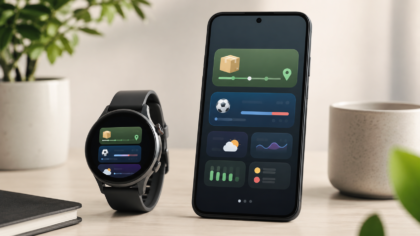
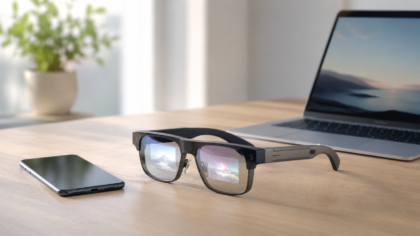
AI hardware is not only about PCs. The same trend is spreading across phones, wearables, glasses, home devices and gaming setups. AI-powered gadgets can help users capture better content, personalize recommendations, improve accessibility, manage energy use, support health tracking and make entertainment more interactive.
The most successful products will not be the ones that simply add “AI” to a marketing page. They will be the ones that solve real problems. A smart device should make a task easier, faster or more intuitive. If the feature feels invisible but useful, users are more likely to trust it and keep using it.
Why This Trend Matters for Gaming and Digital Culture
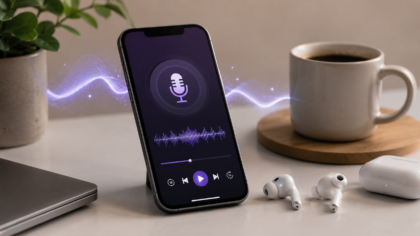
AI-powered hardware will also influence gaming and digital culture. Better local processing can improve streaming quality, voice tools, content creation, game capture, accessibility features and personalized performance settings. For creators, AI devices can shorten the distance between recording, editing and publishing. For players, they can make gaming setups more flexible and responsive.
As AI becomes part of the hardware layer, digital culture becomes more participatory. People will expect their devices to help them remix content, manage communities, translate media, edit clips and move between work and entertainment without constant manual effort. That is why AI gadgets are not just a technology story. They are a lifestyle story.
What Buyers Should Watch
The biggest question for buyers is not whether a device includes AI branding. It is whether the device offers meaningful AI performance, strong battery life, long-term software support, secure data handling and practical features that match the user’s needs. A student, a creator, a gamer and a business user may all need different AI capabilities.
Clear product communication will become essential. Consumers will want to know what runs on the device, what requires the cloud, how their data is handled and whether the hardware will support future AI features. Brands that explain these details honestly will build more trust than brands that rely only on hype.
The Bigger Picture
AI PCs and smart gadgets are turning 2026 into a major upgrade year because artificial intelligence is becoming part of the device itself. This is the moment when AI starts to move from a separate tool into the background of everyday computing. The best devices will not make users feel like they are managing another system. They will simply make familiar tasks feel faster, smoother and more intelligent.
The next stage of consumer technology will be defined by hardware that understands context, supports creativity and reduces digital friction. AI PCs, AI smartphones and smart gadgets are at the center of that shift. In 2026, the devices people choose may determine how ready they are for the next generation of work, entertainment and digital life.



Comments
You can write your views about this story. Comments may be moderated according to site settings.